#MeToo

January 27, 2018
Paint Texture Border

Trigger warning: This article discusses sexual harassment and sexual violence, which may be triggering to survivors.


You’ve probably seen the hashtag. And you probably know what it means. #MeToo.


Since stories of sexual assault and abuse in Hollywood broke in October, women and men have told their stories of sexual abuse or assault on social media, tagging them with the now-famous phrase, #MeToo.


Maybe you’ve added your own voice to the movement. Maybe you’ve typed #MeToo.


Or maybe you haven’t shared your story or typed #MeToo, but your heart definitely cries out in heartbroken silence, Me Too!


For some survivors of sexual abuse or assault, the #MeToo movement has been empowering, a pivotal moment in healing. A very real acknowledgment that you are not alone, that you are seen and heard and believed. This movement has done a lot to take away the shame and secrecy of sexual abuse and assault.

For others, the near-constant news-stream of abuse and assault allegations against one famous person after another has been overwhelming, a trigger for many memories and hurts to surface. Maybe it’s brought up pain you weren’t quite prepared to handle.


If you’ve been abused or assaulted, first we want to say that we’re so sorry this has happened to you. It shouldn’t have happened. As you know by all the #MeToo hashtags on social media, you’re definitely not alone. And you didn’t deserve this. Nobody does.


So, if you’re struggling with all the emotions that have come with the #MeToo movement, we want to encourage you.


Choose to participate, to speak up, to hashtag, to read the news. Or not. Everyone is different. For some people, speaking up and sharing their stories publicly will be empowering and freeing. For others, it will feel too overwhelming, too risky. You might not be ready. You might never be ready to tell anyone outside your closest friends. That’s OK. It’s OK to protect yourself. It’s OK to not read the news articles. It’s OK to skim over someone’s social media post about their assault. You choose the level of participation that is best for you. Don’t feel pressured to tell your story publicly if you aren’t ready and if you don’t have the resources and support to handle it.


Pay attention to your reaction. You may have noticed that your anxiety level has increased. You might feel down or withdrawn or hollow. You might have nightmares or feel like you’re reliving the abuse or assault. You might feel like your heart is racing or like your stomach is cramping. You might just feel extra stressed for what seems to be no reason. If you’ve been reading a lot in the news or in your social media feeds about big, abuse scandals or about the abuse of your friends, then it could be that those stories are triggering traumatic responses in your body. If so, we encourage you to find someone — a mental health professional or a trusted friend — to help you process through this.


Consider talking to a professional. If you have survived sexual abuse or assault, talking with a professional counselor or therapist may help you move beyond the trauma. Having a professional look you in the eye and say, “I hear you, and I believe you,” can be very healing. People trained in helping abuse and assault survivors can also help you understand the trauma and learn coping skills as you process through it all.


If you’ve been sexually abused or assaulted, we want to connect you to people who are trained to help you.

If you’re in Kearney, you can contact:


If you’re in Grand Island, you can contact:


However you are handling this #MeToo movement and wherever you are in the healing process, let us remind you of your worth, your strength, your love. Take some time to care for yourself — show yourself kindness; give yourself comfort; connect with someone who supports you. And if we can help you in any way, please call us.

September 30, 2026
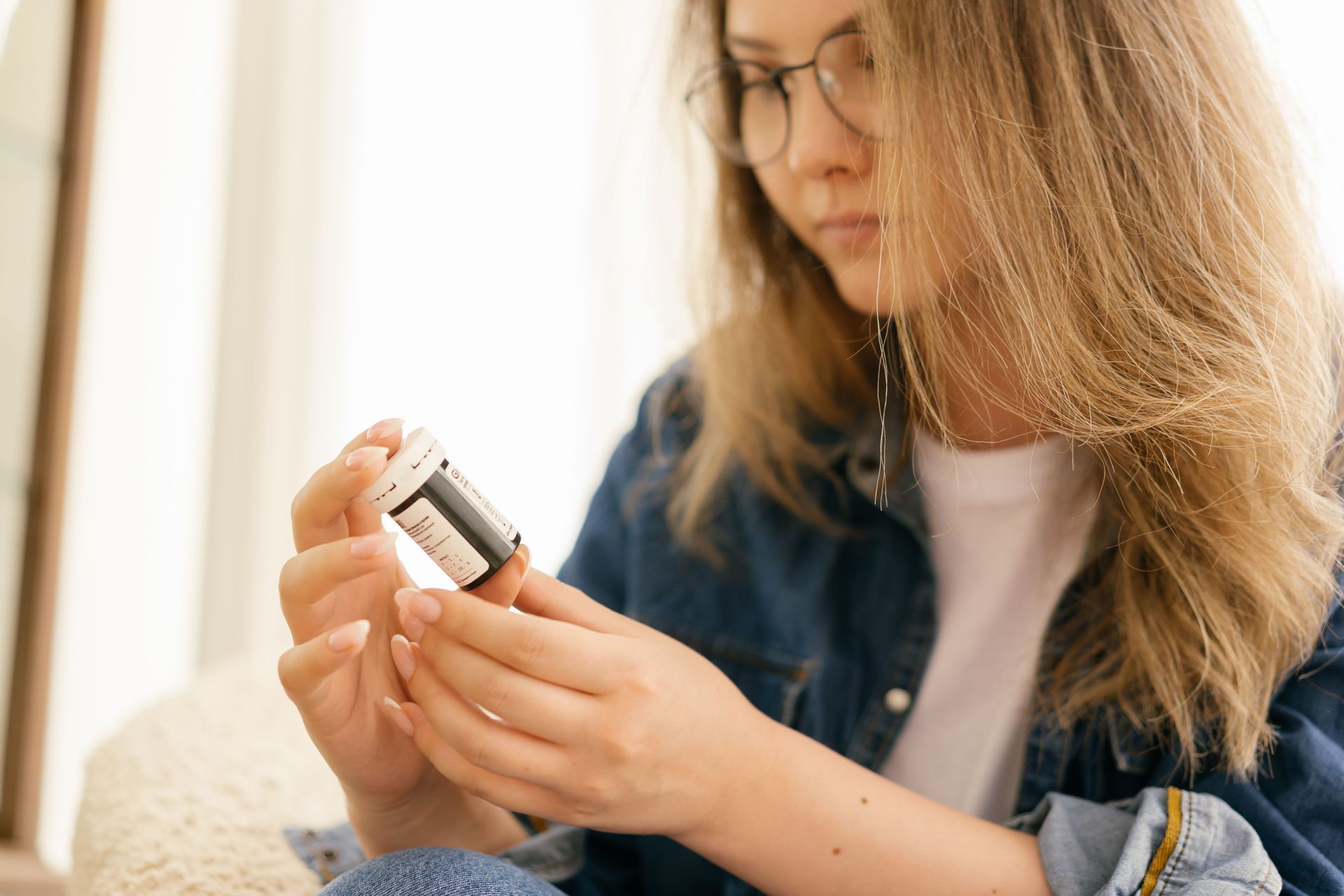
If you took the first abortion pill, it’s possible to start wishing you hadn’t. The regret may have hit you immediately, or it might have taken a few hours to realize that you want to continue the pregnancy. Either way, there may still be something you can do: abortion pill reversal (APR) may be an option. The first drug used in the abortion pill regimen is usually mifepristone. If you have taken mifepristone but now want to continue your pregnancy, call the Abortion Pill Reversal Network at 1-877-558-0333 right away. Their Helpline is available 24/7 and can connect you with a medical provider who can administer APR. If You Have Only Taken the First Pill Mifepristone works by blocking progesterone. Progesterone helps maintain the lining of the uterus during pregnancy. When this hormone is blocked, the uterine lining thins, and the pregnancy ends. The second drug in the abortion pill regimen is misoprostol , which causes the uterus to contract and expel the pregnancy. Abortion pill reversal involves giving progesterone after mifepristone in an effort to allow the pregnancy to continue. Don’t Wait for Symptoms Before Calling You may wonder whether you should wait before deciding what to do. But if you want to try to continue the pregnancy, call first.  It’s critical to start the protocol as soon as possible, ideally within 24 to 48 hours of taking mifepristone. However, you should still call even when more time has passed; it may not be too late. A medical provider can determine whether APR may still be appropriate. Does Reversal Always Work? Abortion pill reversal cannot guarantee that the pregnancy will continue. One published study reported ongoing pregnancy rates of approximately 64% to 68% with certain progesterone regimens, but individual outcomes vary. The important thing is to get medical guidance quickly rather than trying to determine your chances on your own. What if You Already Took Misoprostol? If you have already taken misoprostol, contact a healthcare professional promptly and explain exactly what you took and when. You should also seek immediate medical attention if you develop symptoms that concern you or believe you may be experiencing a medical emergency. Make the Call Now Changing your mind after taking mifepristone can be frightening, especially when you’re unsure whether there is still time to act. You don’t need to figure that out yourself. Call the Abortion Pill Reversal Network at 1-877-558-0333 as soon as possible and tell them when you took mifepristone. They can explain whether abortion pill reversal may still be an option and connect you with an appropriate provider. You can also contact Collage if you need someone to speak with while you work through your next steps. We’re here to help you. *Collage does not provide or refer for abortions; however, we do offer pre-abortion screening through our no-cost services. **All abortion information in this blog is based on accurate information at the time of writing.
September 7, 2026
Seeing another positive pregnancy test after having had a past abortion may bring up memories or emotions from that experience. If you already know you don’t want another abortion, you may be wondering what other choices you have and whether either feels realistic for your life right now. You have time to learn about your options and the available support. Collage is here to give you a place to discuss your circumstances so you can decide what’s right for you. Schedule a no-cost appointment today to learn more about your pregnancy and what your next steps could look like. And read on to learn more about your pregnancy options besides abortion. Consider What Parenting Would Require You may want to parent but have concerns about whether you can make it work. Finances, housing, childcare, your relationship, work, or school can all influence how possible this option feels right now. Before deciding that those challenges make parenting unrealistic, it can help to identify your biggest concerns individually. Some of those concerns may have solutions you haven’t considered yet. Think about the support you already have, along with what you would need during pregnancy and after your baby arrives. Knowing where the gaps are can make it easier to find resources rather than trying to solve everything at once. Learn More About Adoption If you don’t want another abortion but aren’t ready to parent, adoption is another option. Today, a woman making an adoption plan can have a significant role in deciding what that plan looks like. Depending on the type of adoption, you may be able to choose an adoptive family and decide what level of contact you would like after placement. Open, semi-open, and closed adoption offer different levels of communication and privacy. Speaking with a licensed adoption professional can help you understand these differences, your rights, and what the process would involve before you make any commitments. Discuss Your Options in a Confidential Space Having had an abortion before does not mean you have to make the same pregnancy decision again. Your feelings, circumstances, priorities, or perspective may be different this time. If you know you don’t want another abortion, start by learning what parenting and adoption could realistically look like in your current situation. Collage provides a place to talk about your pregnancy and the concerns influencing your decision. We can also connect you with adoption agencies and community organizations that provide the support you’re seeking. Reaching out doesn’t lock you into a specific decision. Schedule a no-cost appointment with Collage today to get your questions answered and explore the options available to you. Collage does not provide or refer for abortions; however, we do offer pre-abortion screening through our no-cost services.
August 11, 2026
If your girlfriend is facing an unexpected pregnancy and considering the abortion pill, you're probably wondering about costs and whether insurance will cover it.
Show More